
Practical De-Escalation
and Tactical Conduct©
Practical tactics and legal knowledge for handling uncooperative people and those in crisis.
Practical De-Escalation and Tactical Conduct ©
2-day course/16 Hours
CA POST CCN #1345-20811 – Plan N/A
Need certification for your state?
When someone is armed, in crisis, or refusing to follow instructions, officers need to assess the threat, understand their legal authority and obligations, and choose a response that fits the circumstances. Sometimes immediate action is necessary. Other situations allow time to gather information, coordinate officers, and create safer options.
Practical De-Escalation and Tactical Conduct© helps patrol officers and supervisors make those decisions. The course connects use of force law with the tactical choices officers face on the street, including when to approach, contain, negotiate, reposition, break contact, or use force.
You’ll learn how to assess a situation before making contact, give clear commands, organize responding officers, and develop plans that account for how the person might respond. You’ll also practice communication techniques that can help build rapport and encourage voluntary cooperation while maintaining a position of safety.
We take a realistic approach to de-escalation. Officers can create opportunities for cooperation, but they cannot guarantee that a person will cooperate. The course examines how stress and diminished capacity affect behavior, how to prepare when communication does not produce compliance, and when delaying action could increase the danger.
Through actual incident video reviews, guided discussions, and practical learning activities, you’ll evaluate decisions, develop response plans, and explain the legal and tactical reasoning behind your choices.
This is modern and realistic de-escalation training for law enforcement officers
2 day course (16 hours)
Only $459/student

Understanding the Law, What You Have to Do and What You Don’t Have to Do
- Evaluating imminent threats through the ability, opportunity, and apparent intent framework
- Understanding when de-escalation and alternatives to force are feasible and when they absolutely are not
- Examining the differences between legal, policy, and moral obligations • Articulating your force decisions

Tactical Assessment and Planning
- Pre-Contact Assessments – Gathering information and debriefing reporting parties
- Recognizing when immediate action is needed and when you can create time to plan
- Using time, distance, and barriers to create tactical advantages
- Coordinating responding officers and assigning clear responsibilities
- Developing contingency plans for the different actions a person might take
- Evaluating when breaking contact or disengagement may be appropriate

Clear Commands and Practical Negotiation
- How to give calm, clear, instructions that a person can understand and follow
- Why the soundtrack you create on body cam can make you the hero or the villain of the movie
- A crash course in negotiating
- Recognizing how stress and diminished capacity can affect understanding and compliance
- Managing your own stress so you can communicate and make decisions more effectively
Specific Tactics for Patrol Officers
- Creating the conditions for successful de-escalation
- Pre-contact assessment
- Coordination of responding officers
- How to save lives using superior tactics
- A crash course in negotiating
Use of Force & Liability Laws
- The new use of force laws
- Public Duty Doctrine: No legal duty to act
- Why officers are being fired and criminally charged
- How to avoid liability with superior knowledge of the law

Decision-Making and Human Factors
- How human performance limitations are affecting you and the suspect
- Task prioritization
- How to save lives using superior decision-making
- When de-escalation is appropriate and when it is not
Upcoming Presentations:
Practical De-Escalation and Tactical Conduct
Dec 8 - 9 • Dublin, CA
Jan 19 - 20 • Brea, CA
Apr 12 - 13 • Latham, NY
Apr 14 - 15 • Latham, NY
Students are saying:
"I've spent 20 years as a peace officer and this class helped me understand laws better than any other courses. Excellent way of understanding how to apply the law to real life situations.”
— Sgt. J Bishop - Bakersfield PD (CA)
"I was looking to increase my skills but holy s*#t, did I get that and so much more!”
— Deputy J. Foy, Santa Clara County (CA) SO
“Take this course. Your career and livelihood deserve it.”
— Sgt. R. Cancio, Fresno (CA) PD Crisis Intervention Team
“The legal landscape is changing, and you need to be on solid footing. This course will help you get there.”
— Sgt. O.P., Chico (CA) PD
“This course will keep me safer, keep the community safer and reduce liability for the city. It’s a win for all!”
— Ofc. J. Gardener, Santa Clara (CA) PD
“To someone who is on the fence about attending this course I would tell them to go. It will potentially save your career and your life.”
— Ofc. Z. Dunagan, Salinas (CA) PD
“This course is awesome.”
— Ofc. B. McKinley, Salinas (CA) PD
Our Instructors:
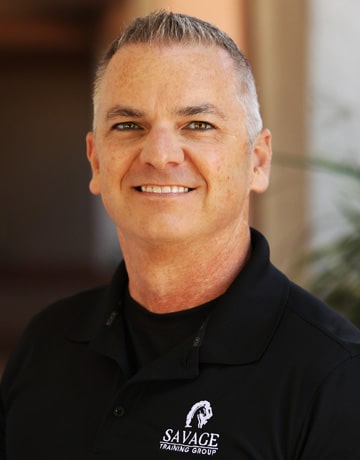
Savage Training Group founder Scott Savage recently retired from the Santa Clara Police Department after 24 years of service. He is an expert in helping officers “operationalize” the law so they can apply it in the tense and rapidly unfolding circumstances they face on the street. His previous assignments include patrol supervisor, SWAT, crisis negotiations team leader and full-time assignment to a terrorism/intelligence task force. More about Scott
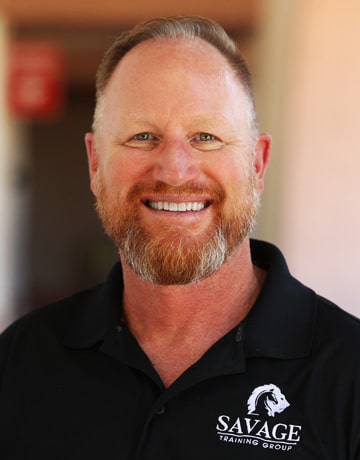
Dan Flippo retired as the Deputy Chief of the Santa Cruz Police Department after 29 years of service. Dan focuses on teaching robust tactics that actually work on the street. He specializes in making patrol tactics easy to understand, even for officers and supervisors with limited tactical experience. His previous assignment includes SWAT and many years on the street in patrol. More about Dan
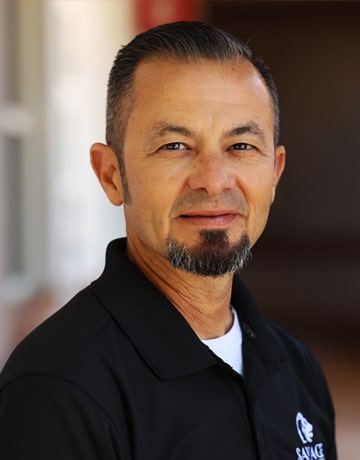
David Bautista is a recently retired Lieutenant with the San Diego Police Department. He has over 29 years of experience, including working in the Patrol and the department’s training division and over 13 years of SWAT experience as an operator, sniper, and team leader. David’s passion is helping cops understand how the law should inform the tactics that cops use on the street. More about David
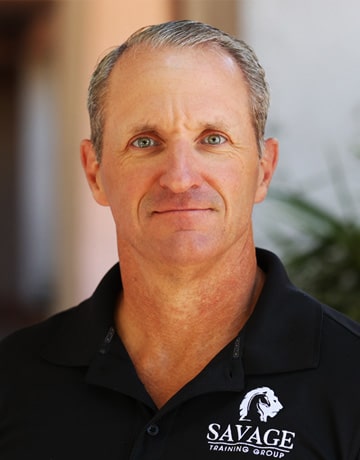
Senior Instructor John Morris recently retired as a Lieutenant from the Winston-Salem Police Department (NC). His 27 years of service include over 20 years in SWAT as well as years in Patrol and Special Operations. John now travels the country teaching cops the tactics and laws they need to know in order to minimize violent confrontations on the street. More about John